
Somewhere between sending out your save-the-dates and the big day, you quietly become a travel agent. "Which airport should we fly into?" "Is there a hotel nearby?" "Do we need to rent a car?" "How far is the venue from the city?" The questions trickle in one text at a time, usually while you're in the middle of something else, and each one is small — but together they add up to a part-time job you didn't apply for.
Here's the good news: your travel page is the single most effective "answer it once and never again" page on your whole website. Get it right, and the questions don't just slow down — they mostly stop. Guests pull it up on their phones, plan their trip, and leave you alone to think about literally anything else.
And you don't need to be a local expert or a logistics wizard to write it. You need a clear structure and the right words — which is exactly what this is. Find the sections that apply to your day, paste them in, swap in your details, and you're done.
A quick reframe before we start
It's easy to feel like you're imposing by telling people where to stay or how to get there. You're not. A guest who's traveling to your wedding has already said yes to spending money and time to be there — the kindest thing you can do is make the how effortless.
Think of this page less as instructions and more as hospitality. You're the host handing a guest the wifi password before they have to ask. One clear, friendly page that lives on a link anyone can open at the airport does more good than any printed insert tucked into an envelope (which, let's be honest, is in a recycling bin by now anyway). You're saving them stress, and saving yourself a hundred little interruptions. Everybody wins.
Okay — let's build it.
The structure: four sections, in this order
A great travel page answers questions in the order a guest actually asks them:
- Where to stay (hotels, room blocks, other options)
- How to get here (airports, driving, distances)
- Getting around (transportation, parking, do-I-need-a-car)
- While you're in town (a few local tips — optional but lovely)
You don't need all four. A local-heavy guest list might only need parking info. A destination with everyone flying in needs all of it. Take what fits.
Section 1: Where to stay
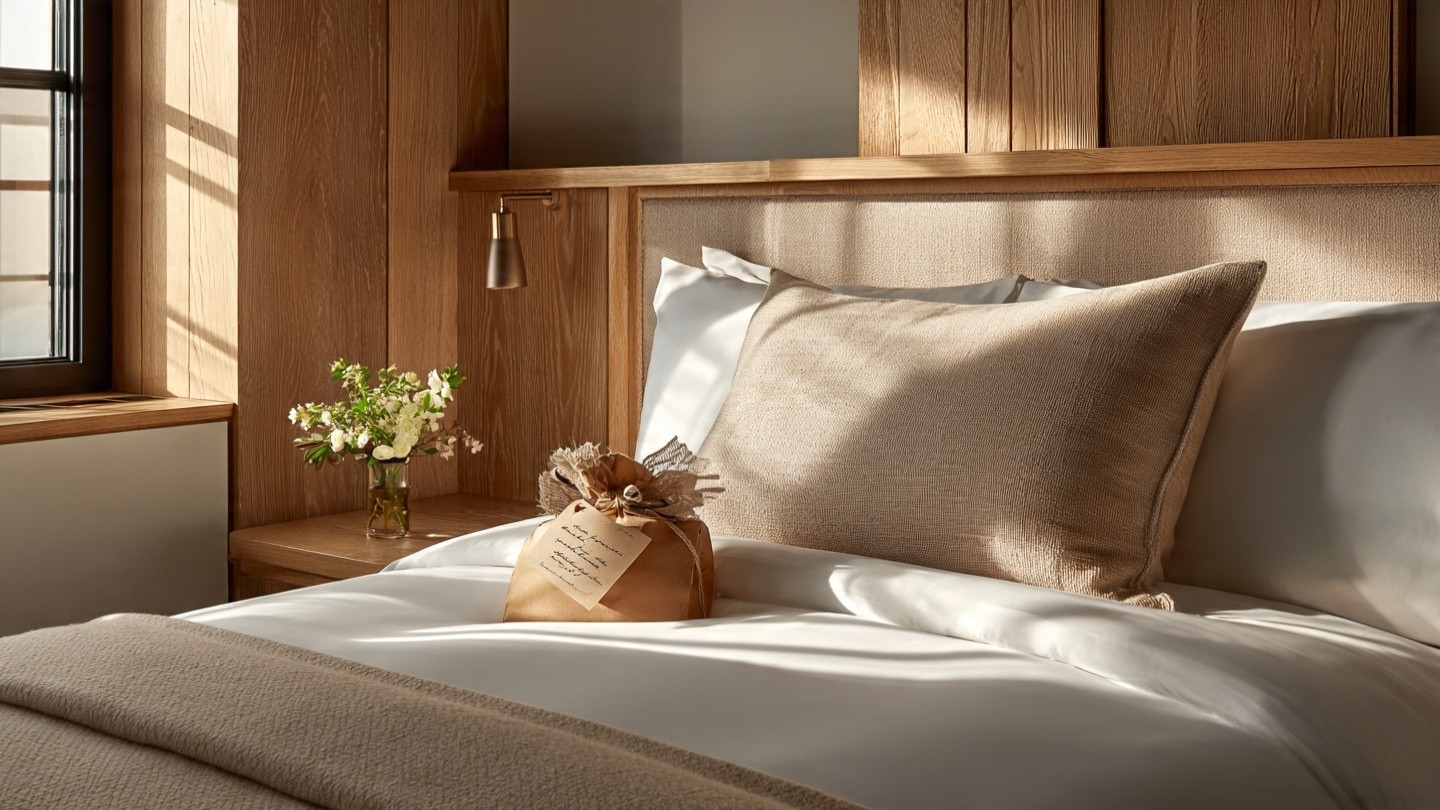
This is the question on everyone's mind first. Lead with it.
If you've reserved a hotel room block:
"We've reserved a block of rooms at [Hotel Name] at a special rate for our guests. To book, call [number] and mention the [Your Last Names] Wedding, or use this link: [link]. The block is held until [date], so we'd suggest booking sooner rather than later — rooms tend to go quickly."
That "book sooner rather than later" line is doing quiet, important work: room blocks expire, and a gentle nudge now saves you from a flurry of "is the block still open?" messages later.
If you have blocks at two hotels (different price points):
"We've set aside rooms at two spots, so you can pick what suits you:
• [Hotel Name] — our closest option to the venue, [rate]/night. Book by [date] with code [code].
• [Hotel Name] — a comfortable, budget-friendly choice about [X] minutes away, [rate]/night. Book by [date] with code [code]."
Offering a range is genuinely thoughtful — not every guest's budget looks the same, and giving options quietly takes the awkwardness out of that.
If you haven't reserved a block (totally fine):
"We haven't set up a hotel block, but here are a few places we'd recommend based on location and price:
• [Hotel Name] — closest to the venue, [walking/X-min drive].
• [Hotel Name] — a great mid-range option in [neighborhood].
• [Hotel Name] — budget-friendly and still convenient.
Booking early is always a good idea, especially if [city] gets busy in [season]."
If your area is better for short-term rentals:
"[Town] is on the smaller side for hotels, so many of our guests find a great house or apartment rental works beautifully — especially for families or groups splitting a stay. Look in the [neighborhood/area] area to stay close to the action."
Section 2: How to get here
Now that they know where they're sleeping, tell them how to arrive.
For guests flying in:
"The closest airport is [Airport Name] ([code]), about [X] minutes from the venue and most hotels. [Larger Airport Name] ([code]) is another option about [X] hour away — sometimes with better fares, so it's worth comparing."
For guests driving:
"Coming by car? The venue is roughly [X] hours from [major city] and [X] hours from [another city]. We'd recommend plugging '[exact venue address]' into your maps app, as the venue can be tricky to spot from the road."
That last detail — "tricky to spot from the road," or "the entrance is just past the white barn" — is the kind of hyper-specific local knowledge only you have, and it prevents a very stressful round of day-of "we're lost!" calls. Add one if your venue needs it.
A simple distance cheat-sheet (guests love this):
"Quick distances from the venue:
• [Airport] — [X] min
• [Hotel] — [X] min
• Downtown [city] — [X] min"
Section 3: Getting around
Help guests figure out the daily logistics — especially whether they need a car.
If you're providing a shuttle:
"We'll have a shuttle running between [Hotel] and the venue. It departs at [time] and will bring everyone back at the end of the night, so feel free to enjoy a drink (or three) — no need to worry about driving."
If guests need their own transportation:
"Rideshare is available in the area but can be limited late at night, so if you'd prefer not to drive, we'd suggest arranging your ride home in advance. If you're renting a car, there's free parking at both the venue and the hotels."
For parking specifically:
"There's complimentary parking at the venue, with overflow in the [lot/field] just past the main entrance. If you leave a car overnight, it'll be perfectly safe to grab the next morning."
The "do I need a car?" answer (so useful):
"Wondering whether to rent a car? If you're staying at [Hotel] and taking our shuttle, you won't need one. If you'd like to explore [area] before or after, a car is the easiest way to get around."
Section 4: While you're in town (optional, but a nice touch)
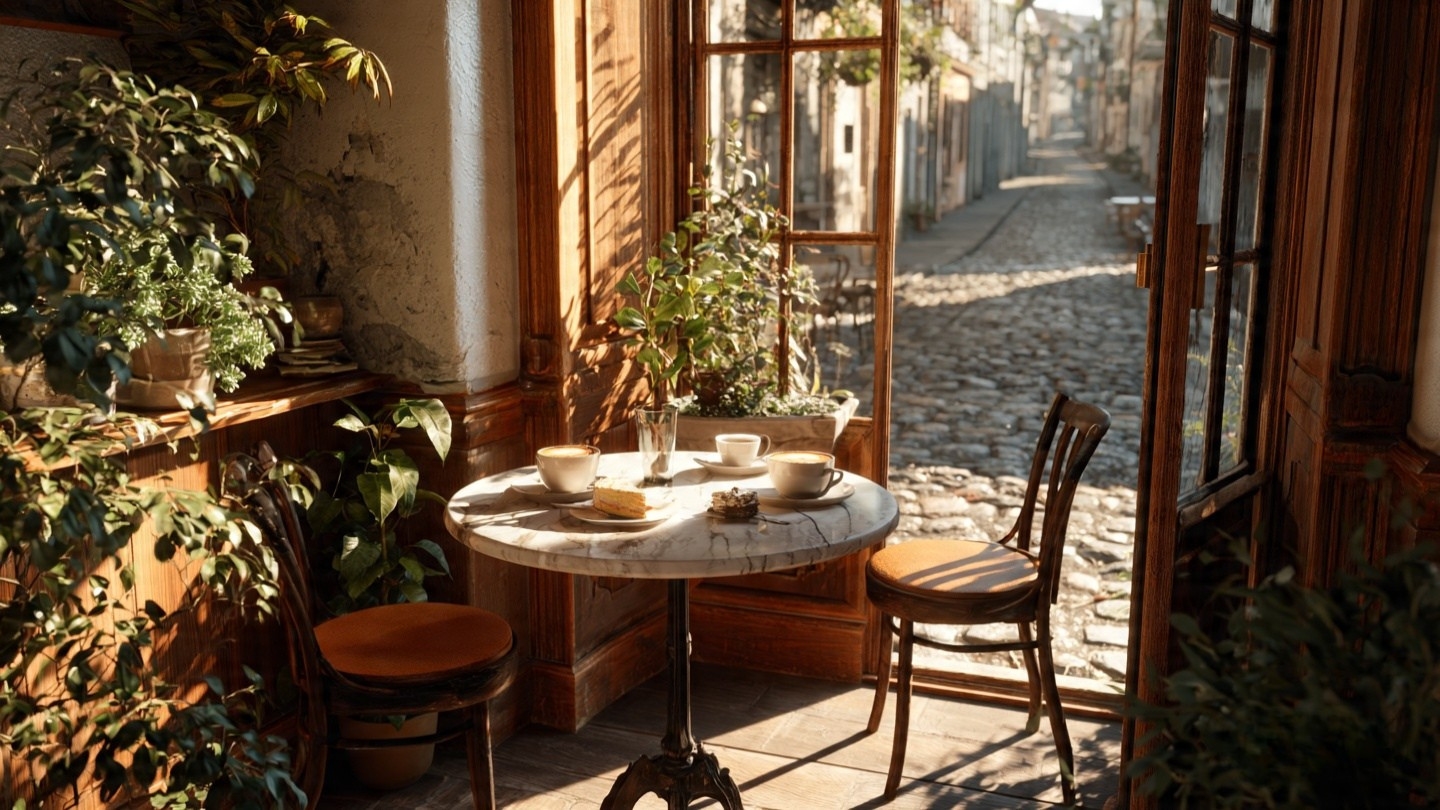
For guests turning your wedding into a mini-trip, a few warm recommendations go a long way. Keep it short — you're a host, not a guidebook.
"Making a weekend of it? A few of our favorites:
• Coffee: [Café Name] — the spot we can't stay away from.
• Dinner: [Restaurant Name] for a treat, [Restaurant Name] for something casual.
• To do: [a walk / a view / a small attraction you love].
We're so glad you'll get to see a little of why we love it here."
This is also the natural home for anything seasonal — a "pack a layer, evenings get cool" note, or "[city] is gorgeous in [month] but bring sunscreen." (If you're still sorting out what guests should wear to the events themselves, that lives better on your [dress code page] — here's exactly how to word it.)
If you only have five minutes: the minimal version
Short on time or details? This single paragraph covers the essentials and you can always add more later:
"Most guests fly into [Airport] ([X] min away) and stay at [Hotel] (book by [date] with code [code]). There's free parking at the venue, and we'll have a shuttle from the hotel at [time]. Any questions, just reach out — we're so excited to have you here!"
Done is better than perfect, and you can flesh it out as plans firm up. (This is the heart of treating your site as a living document — more on that in [how to keep your wedding website updated after launch].)
A note for far-flung guests
If you've got people crossing time zones or borders, a couple of extra lines save real confusion — visa lead times, the local time zone, anything that changes how early someone needs to plan. You don't need to write a manual; just flag the essentials and point them to your contact info. (We go deeper on this in [what to put on your website for long-distance and international guests], and if your celebration spans several days, the [multi-day wedding weekend setup] post covers how to lay out travel for each event.)
You just retired from your travel-agent side job
That's it — the airport questions, the hotel questions, the parking questions, all answered in one place that works while you sleep. Drop in your details, trim the sections you don't need, and the next time someone asks "wait, which airport?", you get to send the best possible reply: "It's all on our website!"
This is exactly what a good wedding website is for — not another thing to build, but a way to answer the questions once, kindly, so they stop landing in your inbox. (If you're still filling in the other pages, our [complete page-by-page guide to what to write on every page] walks through all of them the same paste-and-go way.)
And if starting from a blank page feels like one task too many right now, that's what the templates are there for — the travel page is already laid out, room-block wording and distance cheat-sheet included; you'd just swap in your details. If you'd rather have the whole day handled in one place — website pages and the day-of printables like welcome cards and directions signs — the All-Access Wedding Suite has it ready for you. No pressure. Just there if it lightens the load.
You've got this. Truly.